As the world comes together to celebrate Asteroid Day on June 30, astronomy enthusiasts in the UAE have even more reason to look up. This year's occasion coincides with the appearance of the Strawberry Micromoon, offering a unique opportunity to explore two fascinating celestial topics in one memorable evening.
What is Asteroid Day?
Asteroid Day is a global awareness campaign dedicated to educating the public about asteroids, their role in the formation of our solar system, and the importance of monitoring near-Earth objects. The annual event is observed on June 30, commemorating the Tunguska Event of 1908, when an asteroid or comet fragment exploded over Siberia, flattening more than 2,000 square kilometers of forest.
The initiative was launched in 2015 by a group of scientists, astronauts, and science communicators to promote asteroid research and planetary defense. In 2016, the United Nations officially recognized June 30 as International Asteroid Day, encouraging governments, institutions, and organizations worldwide to raise awareness about asteroid science and impact hazards.
Can We See an Asteroid on Asteroid Day?
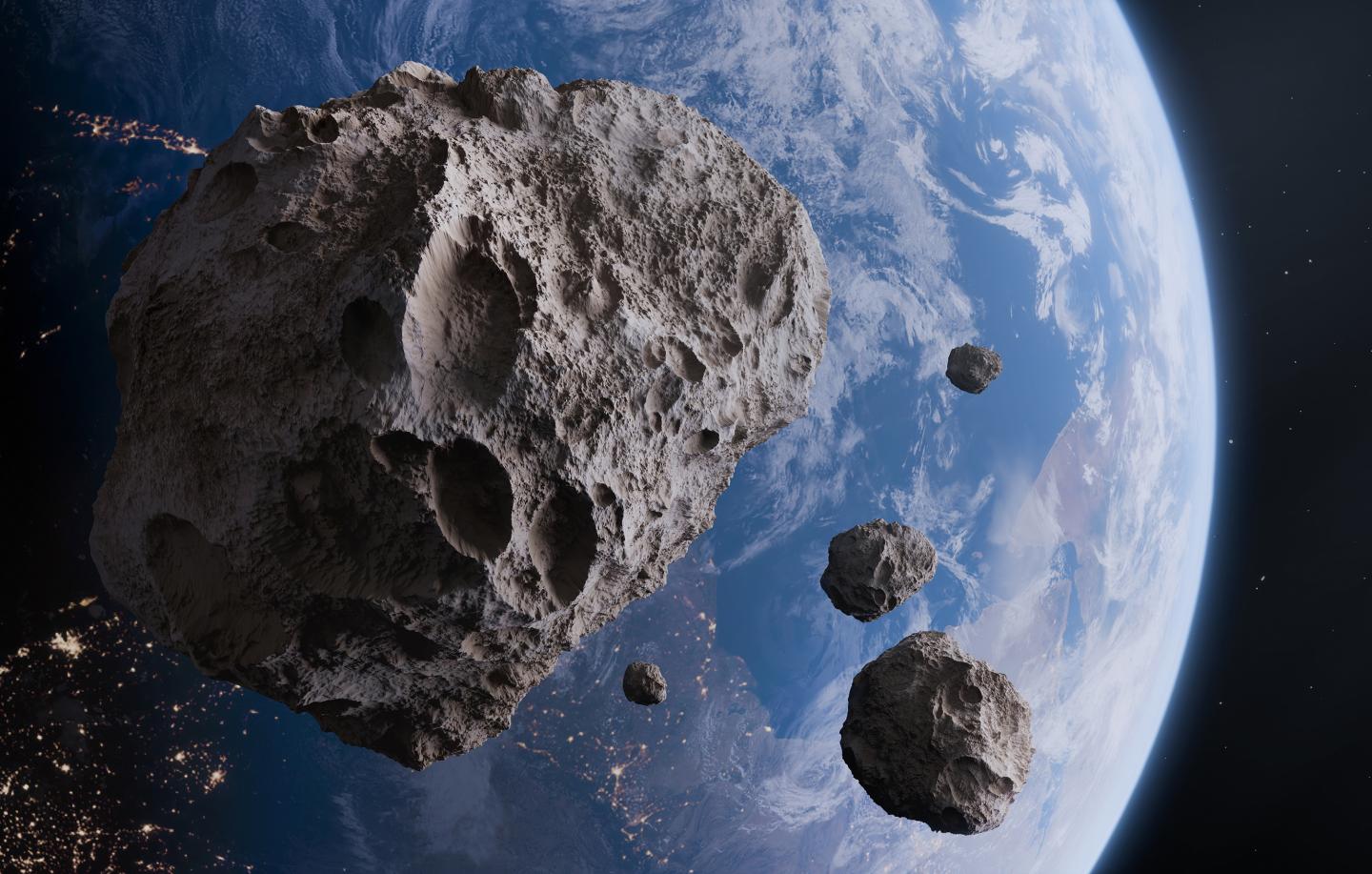
Many people assume that Asteroid Day means a large asteroid will be visible in the sky, but that is not usually the case. Most asteroids are too small, too distant, or too faint to be seen without specialized equipment.
However, asteroids are constantly moving through our solar system, and astronomers regularly observe and track thousands of them using powerful telescopes. Their study helps scientists better understand the origins of the solar system and assess potential future risks.
Will an Asteroid Hit Earth?
The short answer is no.
There are currently no known asteroids on a collision course with Earth that pose a significant threat. Space agencies around the world continuously monitor near-Earth objects and maintain sophisticated tracking systems capable of identifying potential hazards years or even decades in advance.
While asteroid impacts are a natural part of Earth's history, the likelihood of a major impact in the foreseeable future remains extremely low. Events such as Asteroid Day help educate the public about the science behind asteroid detection and planetary defense rather than create fear about impacts.
So How Can We Participate?
To mark Asteroid Day 2026, Dubai Astronomy Group will host a special public event at the SEE Institute, The Sustainable City, Dubai, on June 30 from 7:00 PM to 10:00 PM. Visitors will be able to explore a meteorite gallery featuring real space rocks, attend an engaging talk about asteroids and planetary defense, and enjoy telescope observations of the night sky, including Jupiter and other visible celestial objects. Guests can also experience an immersive planetarium show and learn more about the science behind asteroids and their role in our solar system.
But that is not all! The evening also coincides with the Strawberry Micromoon, giving visitors a chance to observe June's full moon and discover why it appears slightly smaller than usual.
The Strawberry Micromoon of June 2026
Adding to this year's celestial excitement is the Strawberry Micromoon, which reaches its full phase on June 30, 2026, where it rises at 7:49 PM; and sets at 6:25 AM UAE time.
What is a Strawberry Moon?
The name "Strawberry Moon" does not refer to the Moon's color. The term originates from Native American traditions, particularly among tribes in North America, where June's full moon marked the beginning of the strawberry harvesting season.
Over time, the name became widely adopted and remains one of the most popular traditional full moon names used today.
Why Is This Full Moon Also Called a Micromoon?
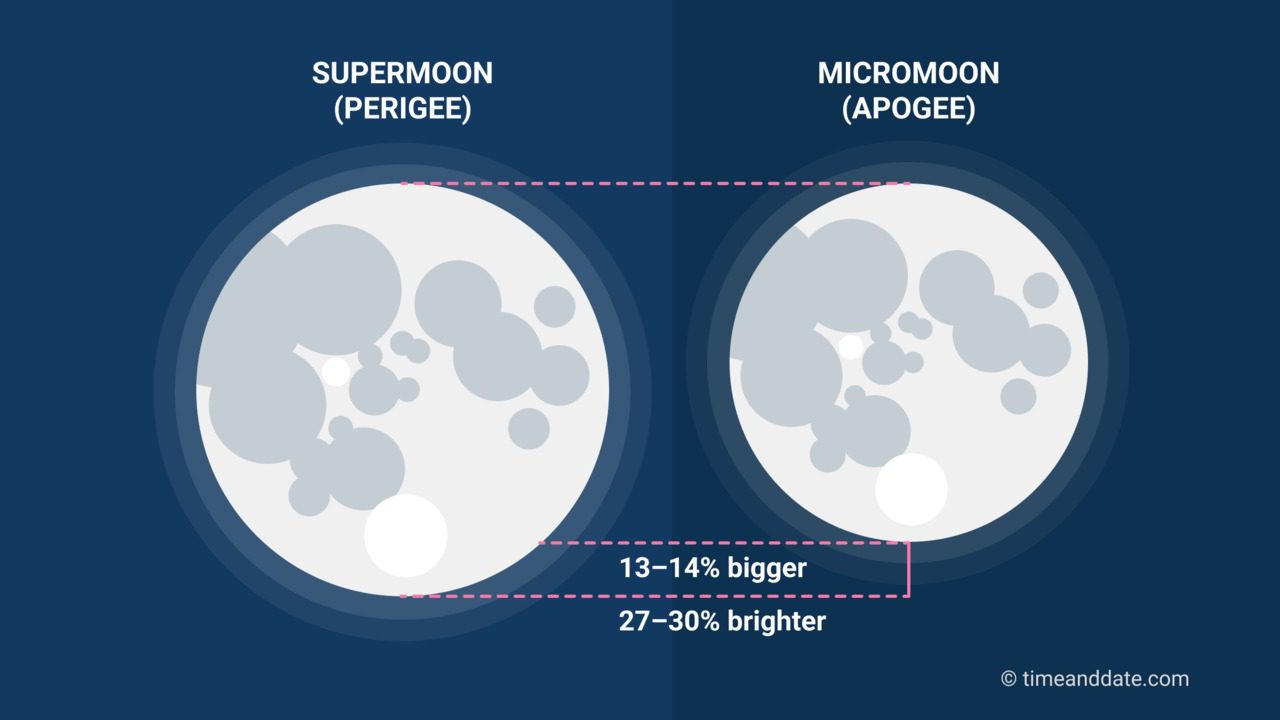
Unlike a Supermoon, which occurs when the Moon is closest to Earth in its orbit, a Micromoon happens when the full moon takes place near the Moon’s farthest point from Earth, known as apogee. As a result, the Moon appears slightly smaller and dimmer than usual.
The difference may be subtle to casual observers, but astronomers say it offers a fascinating reminder that the Moon’s distance from Earth is constantly changing.
How Can You Observe It?
The Strawberry Micromoon can be observed with the naked eye from anywhere with a clear view of the sky. No special equipment is required, although binoculars or telescopes can reveal additional lunar details.
The best viewing opportunities are typically during moonrise and moonset, when the Moon appears larger near the horizon due to an optical illusion known as the Moon illusion.
Does the Micromoon Affect Earth?
No significant effects are associated with a micromoon.
While the Moon influences Earth's tides through gravity, a micromoon produces only very slight differences compared to a typical full moon. It does not affect human behavior, weather patterns, earthquakes, or other natural phenomena.
Its significance is primarily observational and educational, offering astronomers and skywatchers another opportunity to appreciate the mechanics of the Earth-Moon system.
What Can Visitors Expect During Dubai Astronomy Group's Asteroid Day Event?
To mark Asteroid Day 2026, Dubai Astronomy Group will host a special public event at the SEE Institute, The Sustainable City, Dubai.
Visitors will enjoy a comprehensive astronomy experience featuring:
- An engaging lecture exploring asteroids, their origins, and planetary defense efforts.
- Telescope observations of the Strawberry Micromoon and other celestial objects visible during the evening, including Jupiter and additional seasonal targets.
- A meteorite gallery showcasing real space rocks and the stories behind their journey through space.
- An immersive planetarium show that brings the wonders of the universe to life.
The event is designed for families, students, and anyone curious about astronomy, providing a unique opportunity to celebrate Asteroid Day while observing one of the year's most interesting full moons.
As humanity continues to explore and understand the cosmos, Asteroid Day serves as a reminder that the sky above us is not only beautiful but also a gateway to scientific discovery, innovation, and inspiration.
Event Details:
Date: June 30, 2026
Time: 7:00 PM – 10:00 PM
Location: SEE Institute, The Sustainable City – Dubai
Registration Link: https://dubaiastronomy.com/event/asteroid-day-2026/
Media Contact:
Dubai Astronomy Group
Marketing@dubaiastronomy.com
Anything you'd like to add?
All fields optional